Wovoka Advisory Academy · Carbon Rights Course
Know your rights before anyone offers you a carbon deal.
A course for people's organisations, Indigenous peoples' organisations and the NGOs who work with them. In plain language: what the new carbon market rules mean for your land, who may run a project, what consent and benefit-sharing require, and what to check before you sign anything. Free for POs, CADT holders and their NGO partners.
Why now
The rules are being written this year.
Since February 2026, forest and mangrove carbon projects on forest land, protected areas and ancestral domains must register with DENR under DENR Administrative Order 2026-05. That order names POs with community-based forest management agreements and IP organisations among those who may lead a project, and requires a community benefit-sharing plan.
In October 2026 the President signed Executive Order 127, naming DENR the national authority for carbon markets, creating an inter-agency committee chaired by the Climate Change Commission, and ordering a national framework and a national carbon registry. Developers are already knocking on doors. Communities that understand the rules negotiate better deals, or say no.
The course
Five modules, one live session.
Each module is about ten minutes of video in short clips that play on a phone with weak signal, a one-page printable handout, and five quiz questions. Available in English, Filipino and Cebuano.
- Launch webinar (live)
Why the rules changed, what the course covers, and your questions answered by our team.
- The new carbon market in plain words
What a carbon credit is, who regulates it now, and the difference between the voluntary market and credits traded between governments under Article 6 of the Paris Agreement.
- Your land, your rights
CBFMA and CADT tenure, who may be a project proponent, free, prior and informed consent, and the role of NCIP.
- How a project actually works
Feasibility, baseline, DENR registration, monitoring, verification and issuance. Realistic timelines, and what can go wrong.
- Money and benefit-sharing
How credit revenue flows, what a benefit-sharing plan must contain, and the minimum community share DENR and NCIP are to set.
- Before you sign
A checklist for any developer, including us: exclusivity, upfront fees, who holds the credits, exit terms and registration status. And where to get free help.
Built from workshops, not lectures
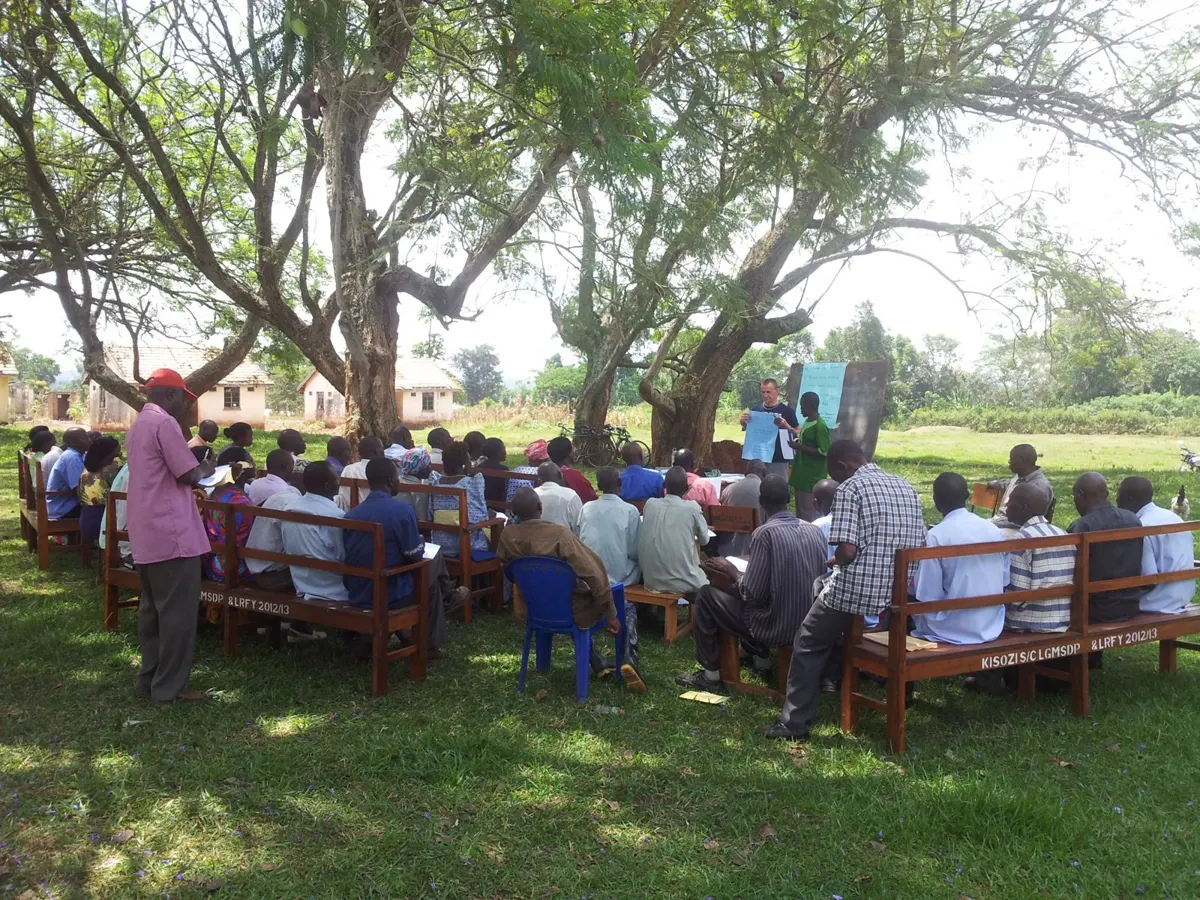
We have run training with farmer groups since 2006, sitting where people already meet and working through real decisions together rather than reading out slides. Engagement is built, not assumed: it comes from showing up season after season and from groups seeing their own questions answered. The same idea runs through this course. Organised communities with the facts negotiate better.
How we work: with the community, in public
Our partners on the ground run the day, and we turn up for it. In Nkokonjeru, our Ugandan partner RASD opened a Farmer Celebration Day with a bicycle race, the Tour de Nkokonjeru, on the same roads the harvest travels. Prizes for the best-kept gardens were a motorcycle, bicycles and wheelbarrows, so the harvest can reach the curing house the day it is picked. Training lands when it is part of community life, not a visit from outside.

Tools track
See your own land in the data.
Hands-on sessions on the open tools Wovoka builds, so your organisation can watch the market, document its land and run its own records.
Carbon.Supply
The carbon registry tracker Wovoka built. Check whether a project on or near your land is listed, who the proponent is, and what has changed on the record.
Ghost Dance
An offline field app. Capture geotagged photos and observations of your land with no signal, and sync when you are back in range.
Wovoka Maps
Boundaries, land cover and imagery on one map, to read your area the way a developer or regulator will. Shown in guided sessions while access is opened up.
Bukid Station
Open-source software for an off-grid, community-run processing station: solar power, a small local server and AI that runs without internet, with farmer records kept on site. Now in design; the course follows it as it is built.
From our field work
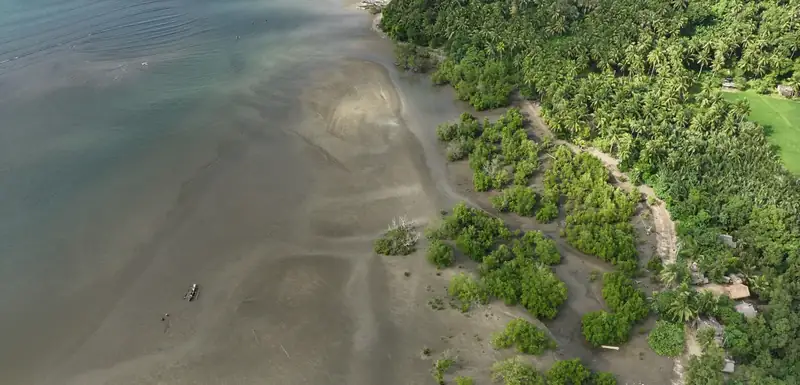
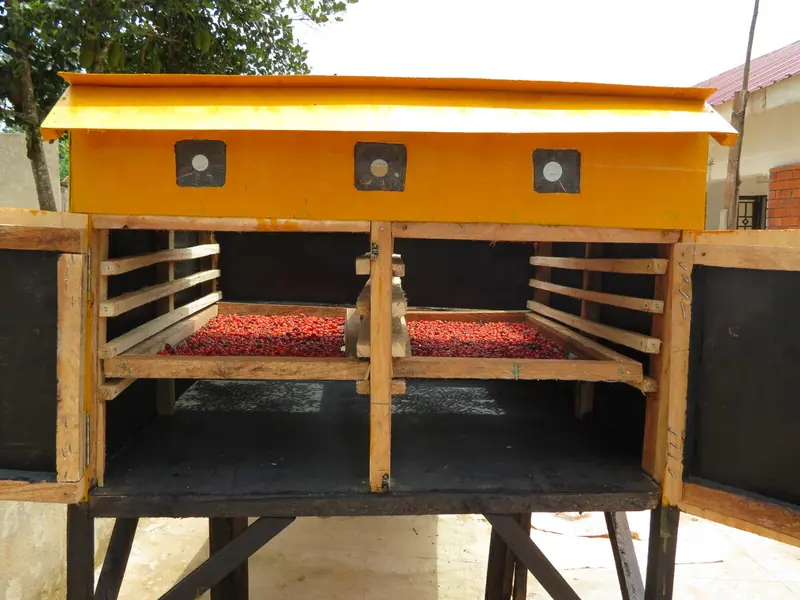
Certificate
Pass the test, show the credential.
A short test
Twenty-five questions across the five modules. Pass at 70%, with two retakes.
A graded certificate
Emailed straight away, with your grade and a certificate number anyone can check. Printed copies can be posted to your organisation's office.
On your LinkedIn
One click adds the certificate to the Licenses & certifications section of your profile.
Price
Free for the people who hold the land.
Free place
₱0
- People's organisations holding a CBFMA or other community tenure
- CADT holders and Indigenous peoples' organisations
- NGO partners working with them
We confirm eligibility by email before your place starts.
Private sector and investors
₱100,000per person
- Project developers, carbon buyers and traders
- Investors, funds and their advisers
- Companies and consultants entering Philippine land-based carbon
We email payment details when you sign up. Government, LGU, academic and student places on request.
Sign up
Join the first cohort.
The first modules release in November 2026. Sign up and we will send you the launch webinar date and your access.
Questions
Frequently asked questions
- Who gets a free place?
- People's organisations holding a CBFMA or other community tenure, CADT holders and Indigenous peoples' organisations, and the NGOs that work with them. Several members of the same PO can join. We confirm eligibility by email, usually by asking for the tenure instrument's name or number, or a short note from the partner PO.
- Why does it cost ₱100,000 for the private sector and investors?
- That is what the course is worth to a company or fund entering Philippine land-based carbon: the rules, the tenure picture and the checks communities will now ask of them, in one place. Landholders should not pay to learn their own rights, so their places are free.
- When does it start, and how long does it take?
- The first modules release in November 2026, with the launch webinar date sent to everyone who signs up. Each module takes about an hour with the handout and quiz, and you can go at your own pace.
- What do we need to take part?
- A phone with mobile data is enough. Videos come in short clips that play on weak signal, handouts print on one page, and a PO can watch together on one screen and register members individually for the test.
- Which languages?
- English, Filipino and Cebuano. Each translation is checked by a native speaker on our team.
- What does the tools track need?
- Carbon.Supply and Ghost Dance run in a phone browser. Wovoka Maps is shown in guided sessions while access is opened up. Bukid Station is open-source and still in design; the course follows it as it is built.
- Does signing up commit us to anything?
- No. The course signs your organisation up for nothing, and the free land-readiness call is optional. Module five is a checklist for judging any developer's offer, ours included.
- Is this legal advice?
- No. It is general information on public rules. Before you sign an agreement, have it reviewed by a lawyer or a trusted adviser.
- Who teaches it?
- Wovoka Advisory's field, policy and technology team. The video lessons are presented by AI video versions of team members, made with their consent, so that we can offer every lesson in three languages. The launch webinar is live.
- Is the certificate an official accreditation?
- No. It is a certificate of completion from Wovoka Advisory, with your grade. It is not issued or endorsed by DENR, NCIP or any government agency.
- What happens to our details?
- We use them to run the course, issue certificates and, if you ask, arrange a land-readiness call. We do not sell or share them, and you can ask for them to be deleted at any time, under the Data Privacy Act of 2012.
- Can you help with an offer we have already received?
- Tick the free land-readiness call on the form, or email hello@wovokagroup.com. We will tell you what we would check first, including when the honest answer is that you do not need us.
- Who is Wovoka Advisory?
- A natural capital advisory firm doing feasibility, mapping and tenure groundwork in the Philippines and Uganda. Our sister company, Wovoka, restores land with communities; the course favours no developer, and its before-you-sign checklist applies to Wovoka too. More about us.